
A few years ago, I attended a friend’s wedding in a small café in the city. There were no chandeliers, no giant buffet tables, and no stage lights. Instead, there were about forty guests, soft acoustic music played by another friend, and a homemade cake that didn’t look perfect but tasted amazing. Honestly, that evening still stands out to me far more than the dozens of hotel weddings I’ve been to.
That’s the thing about weddings these days—more and more couples are stepping away from the “bigger is better” mindset. Instead, they’re choosing smaller venues, shorter guest lists, and details that feel personal. It’s not only about saving money, though that certainly helps. It’s about creating something that feels like them.
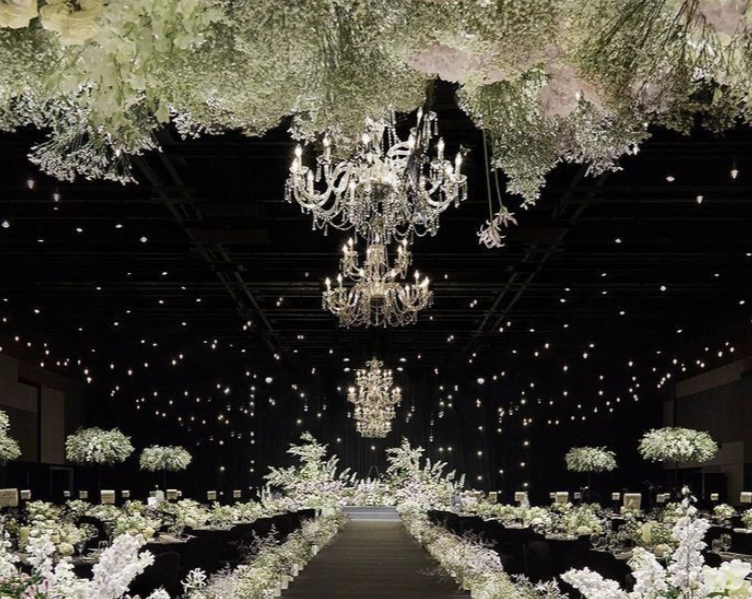
Of course, cost plays a role. Anyone who’s looked into renting a large ballroom knows how quickly the numbers climb. And once you factor in catering for two or three hundred people, the price can feel overwhelming. Many couples today would rather put that money toward a honeymoon, a new home, or even just their future savings. A smaller guest list means they can spend on what actually matters to them—better food, great photography, or even a live band they really love.
But beyond money, there’s an emotional difference. At a big wedding, the bride and groom often spend the whole night rushing from table to table, barely saying more than a quick hello. At an intimate wedding, they get to sit with their closest people, laugh over old stories, and truly share the moment. Guests feel it too—no one is just another name on a seating chart. Everyone is part of the experience.
Social media has also pushed this trend forward. Couples want their photos to stand out, and a rustic barn, a vineyard, or a cozy restaurant simply has more character than a generic hotel hall. One friend of mine got married in a small garden with fairy lights strung between trees. The photos looked magical, but more than that, everyone kept saying how relaxed and warm the atmosphere was. You just don’t get that same feeling when you’re one of 500 people watching from the back of a ballroom.
The pandemic played its part as well. When restrictions forced weddings to shrink, many couples discovered they actually preferred it. With fewer moving parts, less stress, and a smaller crowd, the focus returned to the heart of the day—the marriage itself. Even now, with restrictions gone, a lot of couples are intentionally keeping things small because they realized how much calmer and more enjoyable it was.
There’s also a sustainability angle. Large weddings create mountains of waste, from leftover food to disposable décor. Smaller weddings naturally encourage simpler, greener choices: locally sourced flowers, digital invitations, and decorations that can be reused. For couples who care about the environment, this feels like the right choice.

In the end, it’s not about rejecting tradition. It’s about reshaping it. A wedding doesn’t need 300 guests to be meaningful. It doesn’t need a twelve-tier cake to feel luxurious. What makes it unforgettable are the little details, the laughter shared with people you love, and the feeling that the day truly reflected who you are.
Big weddings will always have their place, of course. Some couples genuinely love the idea of a grand celebration, and that’s fine. But the rise of intimate weddings proves that there’s more than one way to have a “dream wedding.” For some, it’s a small chapel filled with family. For others, it’s a backyard dinner under the stars. Whatever the setting, what matters most hasn’t changed: celebrating love in a way that feels real.